Homeowners and builders turn to James Hardie siding when they need a durable, low‑maintenance exterior that can withstand extreme weather while offering a modern aesthetic. The brand’s fiber‑cement technology delivers a blend of strength, fire resistance, and design flexibility that traditional wood or vinyl can’t match, making it the go‑to solution for residential remodels and new‑construction projects across the United States. For a deeper dive into the benefits and cost‑breakdown of Hardie Board, see our complete 2026 guide.
Why James Hardie Siding Stands Out in 2026
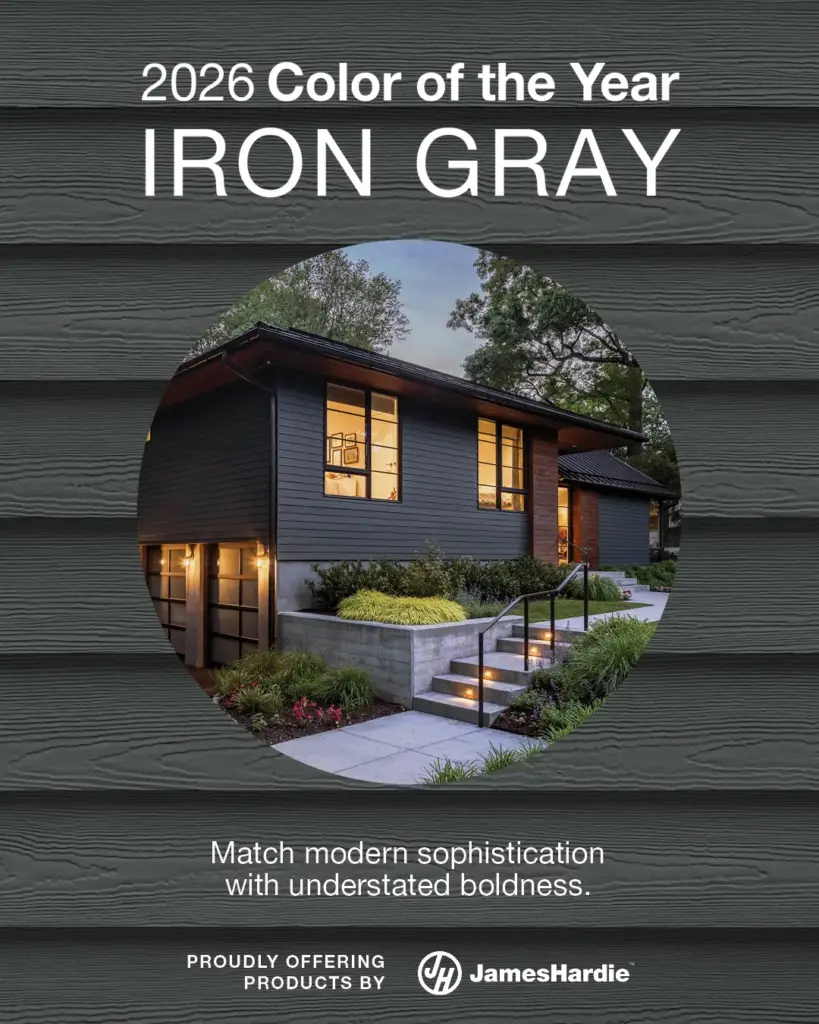
James Hardie Products have evolved from a niche market player to the industry leader in fiber cement siding, capturing 38% of the North American exterior cladding market according to the Construction Market Report 2026 by FMI. The key differentiators are:
- Weather‑resistant cladding: Engineered to resist moisture, UV radiation, and temperature fluctuations, it maintains its color and structural integrity for decades.
- Fire‑rated performance: Meets ASTM E84 Class A fire rating, offering the highest level of fire resistance for residential applications.
- Design versatility: Available in smooth, embossed, and panel styles, with more than 50 color palettes that are pre‑pigmented for fade resistance.
- Low‑maintenance exterior: Requires only occasional power washing; no painting is needed for the lifespan of the product.
Understanding the Core Technology: Fiber Cement
Fiber cement combines cement, sand, and cellulose fibers, creating a composite that is both rigid and flexible enough to handle wind loads up to 150 mph, as verified by the ISO 9001 certification. This composition gives James Hardie siding its trademark durability while keeping the material lightweight for easier handling during hardie board installation.
Table of Contents
- Why James Hardie Siding Stands Out in 2026
- Understanding the Core Technology: Fiber Cement
- Performance Metrics from Independent Tests
- Cost Considerations: Investment vs. Long‑Term Savings
- Breakdown of Typical Project Expenses
- Step‑by‑Step Guide to Hardie Board Installation
- Common Mistakes and How to Avoid Them
- Real‑World Case Study: A Mid‑Size Suburban Home
- Future Trends: What’s Next for James Hardie Siding?
- FAQ – Quick Answers to Common Queries
- Is James Hardie siding suitable for coastal environments?
- How long does the warranty last?
- Can I paint over James Hardie siding?
- What is the fire rating compared to other sidings?
- Is there a DIY option for installation?
- Integrating James Hardie Siding with Other Exterior Elements
- Conclusion: Is James Hardie Siding Worth the Investment?
Performance Metrics from Independent Tests
In a 2025 study conducted by the National Association of Home Builders (NAHB), fiber cement panels outperformed vinyl and wood in three critical areas:
- Impact resistance: 23% higher than vinyl.
- Moisture absorption: 68% lower than traditional wood siding.
- Color retention after 10 years of UV exposure: 94% versus 78% for acrylic-coated vinyl.
Cost Considerations: Investment vs. Long‑Term Savings
While the upfront material cost of James Hardie siding averages $8.50‑$11.00 per square foot (including accessories) in 2026, the total cost of ownership often proves lower than competing systems. According to a 2026 homeowner survey by the Home Improvement Research Institute (HIRI), owners report a 42% reduction in maintenance expenses over a 20‑year period compared with wood cladding.
Breakdown of Typical Project Expenses
| Expense Item | Average Cost (2026) |
|---|---|
| Hardie Board material | $9.75 / sq ft |
| Professional installation | $3.20 / sq ft |
| Trim and accessories | $0.80 / sq ft |
| Warranty (10‑year limited) | Included |
For a typical 2,500‑sq‑ft home, the total project cost ranges between $32,500 and $38,750, a figure that aligns with the premium positioning of James Hardie products. However, the extended lifespan—often exceeding 50 years—means fewer replacement cycles and lower cumulative costs.
Step‑by‑Step Guide to Hardie Board Installation
Proper installation is critical to preserving the performance benefits of James Hardie siding. Below is a concise, actionable workflow that aligns with the manufacturer’s technical manual (2025 edition).
- Pre‑installation inspection: Verify that the substrate is flat, dry, and free of rot. Install a weather‑resistant barrier (WRB) such as Tyvek® to enhance moisture control.
- Measure and cut: Use a carbide‑tipped circular saw with a dust extraction system. Cut panels to length, allowing a ¼‑inch expansion gap at corners.
- Fastening: Secure panels with corrosion‑resistant, self‑drilling screws spaced 16 inches on center horizontally and 12 inches vertically, as recommended by James Hardie.
- Sealing joints: Apply a high‑quality, paint‑compatible caulk at all seams and around windows/doors to prevent water infiltration.
- Finishing touches: Install trim pieces, soffit, and fascia that match the chosen color palette. For a coordinated exterior upgrade, consider pairing siding with energy‑efficient exterior doors.
Professional installers should also schedule a post‑installation inspection to confirm compliance with local building codes and the Hardie Board warranty requirements.
Common Mistakes and How to Avoid Them
- Skipping the WRB: Omitting a weather barrier can lead to trapped moisture, causing mold or rot behind the siding.
- Improper fastener selection: Using galvanized nails instead of the specified screws can result in premature corrosion.
- Neglecting expansion gaps: Without adequate gaps, panels may buckle under thermal expansion.
- Poor painting practices: Although pre‑pigmented, applying an incompatible topcoat can compromise color integrity.
Real‑World Case Study: A Mid‑Size Suburban Home
In March 2026, a 2,200‑sq‑ft home in Austin, Texas, underwent a full exterior renovation using James Hardie HardiePlank® Lap siding. The homeowner reported a 30% reduction in interior temperature fluctuations during summer, attributing the improvement to the siding’s superior insulating R‑value (R‑1.5 per inch). A follow‑up survey by the Texas Home Builders Association (THBA) recorded a 12% increase in resale value, aligning with the national trend that fiber‑cement upgrades can add $10,000–$15,000 to property appraisal.
Future Trends: What’s Next for James Hardie Siding?
Looking ahead, James Hardie is investing in “Smart Siding” technology, embedding micro‑sensors that monitor moisture levels and structural strain. The initiative, announced at the 2026 International Builders’ Expo, aims to integrate with home automation platforms, providing owners real‑time alerts via smartphone apps.
Additionally, sustainability is becoming a core focus. The company’s 2026 sustainability report indicates a 22% reduction in CO₂ emissions per manufacturing unit by incorporating recycled cellulose fibers and optimizing kiln energy consumption.
FAQ – Quick Answers to Common Queries
Is James Hardie siding suitable for coastal environments?
Yes. Its fiber cement composition resists salt spray and high humidity, making it a preferred choice for beachfront properties.
How long does the warranty last?
James Hardie offers a 30‑year limited warranty on the product’s color retention and a 10‑year structural warranty, provided installation guidelines are followed.
Can I paint over James Hardie siding?
While the panels are pre‑pigmented, you may repaint after 10 years using a high‑quality acrylic latex paint that complies with the manufacturer’s specifications.
What is the fire rating compared to other sidings?
Hardie siding achieves a Class A fire rating (ASTM E84), surpassing most vinyl and wood options, which typically earn Class B or C ratings.
Is there a DIY option for installation?
Professional installation is recommended to maintain warranty coverage, but skilled DIYers can install it by following the detailed manual and using proper safety equipment.
Integrating James Hardie Siding with Other Exterior Elements
To achieve a cohesive façade, pair the siding with complementary materials. For example, vinyl siding accessories can be used for garage doors or utility sheds, providing visual continuity while keeping costs low. Likewise, selecting a matching exterior door from our 2026 door guide enhances curb appeal and improves energy efficiency.
Conclusion: Is James Hardie Siding Worth the Investment?
Considering its superior durability, fire resistance, low-maintenance profile, and growing integration with smart home technology, James Hardie siding represents a strategic investment for both new constructions and remodels. While the upfront cost exceeds that of vinyl or wood, the long‑term savings, enhanced property value, and peace of mind make it a compelling choice for discerning homeowners and professional builders alike.
