Vinyl siding has become the go‑to exterior cladding for homeowners and builders who want a low‑maintenance, cost‑effective solution without sacrificing curb appeal. It delivers durable protection against weather, boosts energy efficiency, and comes in a wide range of styles that mimic wood, stone, or modern panels. Understanding its performance, installation nuances, and long‑term value helps you decide whether it’s the right choice for your next renovation project. For a deeper look at exterior upgrades, see our comprehensive exterior renovation guide.
Why Vinyl Siding Is the Preferred Choice in 2026
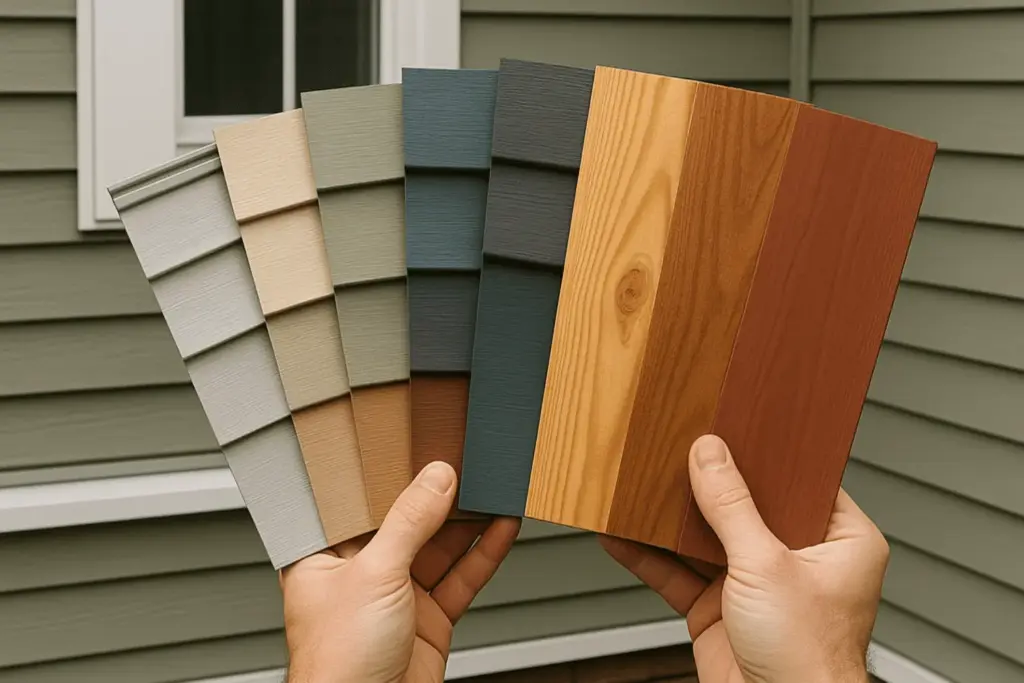
Recent market analysis shows that vinyl siding now accounts for 38 % of all residential exterior cladding in the United States, up from 30 % a decade ago (National Association of Home Builders, 2025). The surge is driven by three core benefits:
- Maintenance‑free performance: Unlike wood, vinyl does not require regular painting, sealing, or rot inspections.
- Energy‑saving properties: Modern insulated panels can reduce heating and cooling loads by up to 12 % according to the Department of Energy’s 2025 Energy Saver Report.
- UV resistance and color retention: Advanced formulations now include titanium dioxide additives that prevent fading for over 15 years, a claim backed by the Vinyl Siding Institute’s 2026 durability study.
Key Features to Evaluate Before Buying
Material Composition and Thickness
Today’s vinyl siding is produced from high‑impact, chlorine‑free PVC blends. The most common thickness ranges from 0.040 in to 0.080 in. Thicker panels provide better resistance to dents and impact, especially in high‑traffic zones such as garages or coastal areas where wind‑borne debris is a concern.
Table of Contents
- Why Vinyl Siding Is the Preferred Choice in 2026
- Key Features to Evaluate Before Buying
- Material Composition and Thickness
- Insulation Options
- Color and Finish Options
- Installation: From Preparation to Finishing Touches
- 1. Assess and Prepare the Substrate
- 2. Measure, Cut, and Handle Panels Correctly
- 3. Secure the Panels
- 4. Finish with Trim and Accessories
- Cost Overview: What to Expect in 2026
- Common Pitfalls and How to Avoid Them
- Real‑World Case Study: A Mid‑Size Suburban Home
- Frequently Asked Questions
- Can vinyl siding be painted?
- How long does vinyl siding last?
- Is vinyl siding recyclable?
- What maintenance is required?
- Future Outlook: Innovations on the Horizon
- Conclusion: Making an Informed Decision
Insulation Options
Two primary insulated‑siding systems dominate the market:
- Foam‑backed (R‑2.5 to R‑5): A thin layer of rigid foam bonded to the panel’s interior, ideal for retrofit projects where wall cavities are already insulated.
- Full‑wall insulated (R‑6 to R‑9): Panels with a thick foam core that replaces cavity insulation entirely, frequently used in new construction to meet stricter energy codes.
Color and Finish Options
Manufacturers now offer over 250 colors, many with fade‑guard technology. Matte, glossy, and wood‑grain finishes are available, allowing architects to achieve a custom look without the expense of real wood. For a visual comparison of vinyl versus other cladding, check the Wikipedia entry on vinyl siding.
Installation: From Preparation to Finishing Touches
Proper installation is the single most important factor in ensuring vinyl siding’s longevity. Below is a step‑by‑step checklist that aligns with the International Residential Code (IRC) 2021 amendments.
1. Assess and Prepare the Substrate
- Inspect the sheathing for moisture damage; replace any compromised plywood or OSB.
- Apply a weather‑resistant barrier (WRB) with a minimum water‑resistive rating of 1,500 psf, as recommended by the Building Science Corporation (2025).
- Install a level, vertical starter strip at the base of each wall to guarantee straight alignment.
2. Measure, Cut, and Handle Panels Correctly
Because vinyl expands and contracts with temperature fluctuations, follow the 3‑inch gap rule: leave a 3‑inch space at the top of each panel to allow for thermal movement. Use a fine‑toothed utility knife or a dedicated vinyl siding cutter for clean cuts; rough edges can lead to water infiltration.
3. Secure the Panels
Fasten panels with corrosion‑resistant, stainless‑steel nails placed 16 in apart (center to center). Over‑driving nails can crush the panel, while under‑driving leaves gaps that compromise the WRB.
4. Finish with Trim and Accessories
Corner posts, J‑channel, and soffit trim not only enhance aesthetics but also protect vulnerable joints from wind‑driven rain. Ensure all trims are installed with the same nail spacing and that the bottom edge of each piece overlaps the top edge of the siding by at least ½ in.
Cost Overview: What to Expect in 2026
The average installed cost of vinyl siding in 2026 is $5.40 per square foot, according to HomeAdvisor’s 2025 cost survey. This figure includes materials, labor, and standard trim. Insulated panels add roughly $1.20 per square foot, while premium wood‑grain finishes can increase the price by 15 %.
When comparing total cost of ownership, vinyl siding beats fiber‑cement and engineered wood by an average of 22 % over a 25‑year lifespan, thanks to its low maintenance needs and energy‑saving benefits (Energy.gov, 2025).
Common Pitfalls and How to Avoid Them
- Improper expansion gaps: Skipping the 3‑inch top gap leads to buckling in hot weather. Always measure twice.
- Neglecting the WRB: Directly attaching siding to sheathing without a proper barrier invites moisture intrusion and mold growth.
- Using the wrong fastener: Galvanized nails corrode faster than stainless‑steel alternatives, especially in coastal climates.
- Over‑drilling for trim: Misaligned J‑channel creates gaps that allow wind to lift panels, reducing the siding’s wind‑load rating.
Real‑World Case Study: A Mid‑Size Suburban Home
In a 2025 pilot project in Austin, Texas, a 2,300 sq ft home was retrofitted with R‑6 insulated vinyl siding. The homeowner reported a 10 % reduction in monthly utility bills within the first year, a figure that aligns with the Department of Energy’s projected savings. Moreover, the project’s total cost—$12,400—was 18 % lower than the quoted price for fiber‑cement siding with comparable insulation.
For a broader perspective on exterior material trends, see our 2026 exterior material trends report, which places vinyl siding at the top of the durability index.
Frequently Asked Questions
Can vinyl siding be painted?
Yes, but it defeats the purpose of a maintenance‑free system. Paint adheres poorly to PVC, and most manufacturers’ warranties become void once paint is applied.
How long does vinyl siding last?
With proper installation, manufacturers typically guarantee 30‑year performance. Real‑world studies show an average lifespan of 35‑40 years before replacement is necessary.
Is vinyl siding recyclable?
Modern vinyl siding is 100 % recyclable. The Vinyl Siding Institute reports that 85 % of end‑of‑life material is reclaimed and reprocessed into new products (2025).
What maintenance is required?
Routine cleaning with a garden hose or low‑pressure washer every 12‑18 months removes dust and pollen. In areas with heavy salt exposure, a mild detergent rinse is recommended to prevent surface buildup.
Future Outlook: Innovations on the Horizon
Emerging technologies promise to push vinyl siding even further:
- Smart‑integrated panels: Embedded sensors that monitor wall temperature and moisture levels, feeding data to a homeowner’s smart hub.
- Bio‑based PVC blends: Research by the University of Michigan (2026) shows a 30 % reduction in carbon footprint without sacrificing durability.
- Enhanced acoustic performance: New composite cores can lower interior noise transmission by up to 8 dB, a boon for homes near highways.
These innovations suggest that vinyl siding will remain a competitive, environmentally conscious option for decades to come.
Conclusion: Making an Informed Decision
Vinyl siding delivers a blend of affordability, durability, and aesthetic flexibility that few other cladding systems can match. By paying close attention to material specifications, installation best practices, and long‑term maintenance, homeowners can protect their investment while enjoying measurable energy savings. Whether you’re renovating a historic bungalow or building a new suburban residence, vinyl siding’s proven track record and evolving technology make it a compelling choice for modern exterior design.
For further reading on exterior upgrades, explore our energy‑efficient home tips and home exterior design trends 2026 articles.
